
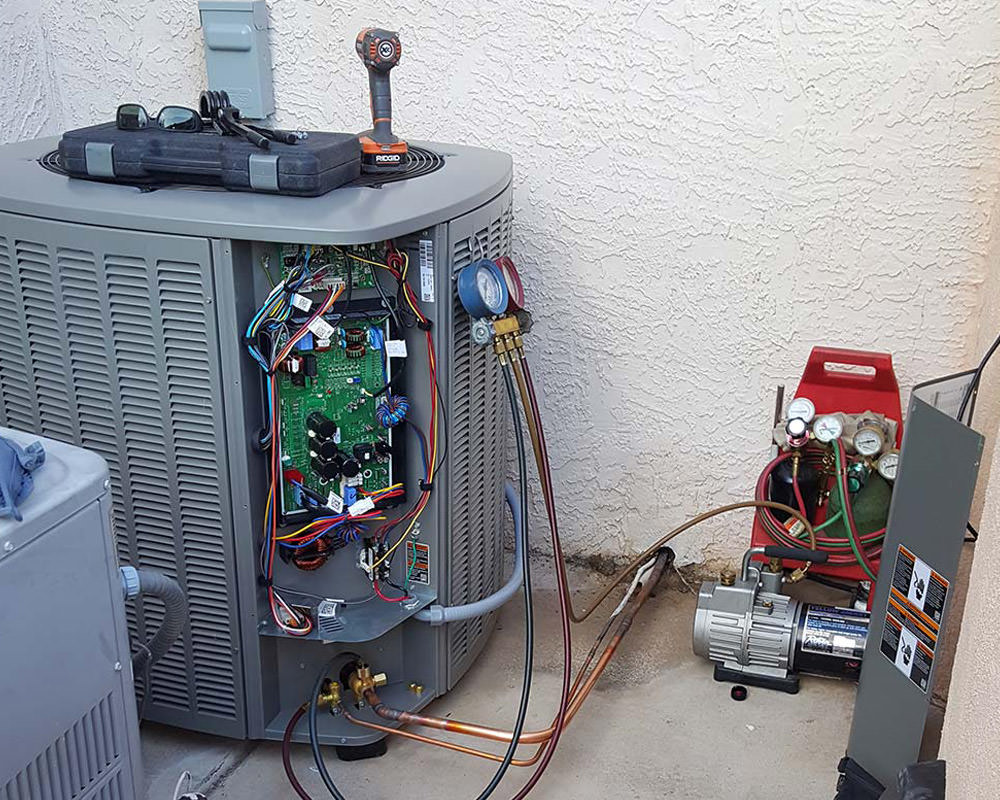
Are you finding it challenging to maintain a cool and comfortable environment with your air conditioner? The quest for a well-cooled living space can be hindered by several common issues affecting your AC’s performance. In this informative article, we will embark on a journey to uncover the four prevalent reasons that might be impeding your air conditioner’s ability to deliver the refreshing cold air you desire. In addition, we provide you with practical and effective solutions for these common problems, ensuring maximum efficiency of your air conditioner. If you need more details call Prime Heating and Cooling !
Whether you’re experiencing inconsistent cooling or a complete lack of cold air, understanding the root causes is vital for a quick and efficient resolution. By the end of this article, you’ll have gained insights into the factors contributing to your AC’s inefficiency and learned valuable tips on how to address them effectively.
Let’s delve into the intricacies of these common culprits that may be hindering your air conditioner’s performance, empowering you to take the necessary steps to restore the cool and comfortable atmosphere you expect.
1. Unveiling Refrigerant Issues
Low refrigerant levels can significantly impede the cooling efficiency of your air conditioning unit. Regularly assessing and addressing refrigerant levels is essential to ensure the optimal performance of your AC system.
Proper refrigerant levels play a crucial role in maintaining your AC’s cooling prowess. When refrigerant levels are too low, the system struggles to absorb and release heat efficiently, leading to inadequate cooling. Recognizing the signs of low refrigerant is the first step in addressing this issue and preventing potential damage to your air conditioner.
Recognizing Signs of Low Refrigerant:
- Reduced Cooling Performance: One of the primary indicators of low refrigerant is a noticeable decrease in the cooling efficiency of your air conditioner. If you find that your space is not reaching the desired temperature despite your AC running continuously, low refrigerant levels could be the culprit.
- Hissing Sounds: Unusual hissing sounds emanating from the AC unit could be a sign of refrigerant leaks. These leaks not only contribute to low refrigerant levels but can also pose environmental risks.
- Ice Buildup on the Evaporator Coil: Inadequate refrigerant levels can lead to the freezing of the evaporator coil. If you observe ice buildup on the coil, it’s indicative of a refrigerant-related issue.
Maintaining Optimal Refrigerant Levels: Regular maintenance and professional inspections are essential for maintaining optimal refrigerant levels. Here’s a brief overview of the steps involved:
- Professional Assessment: Schedule regular inspections by HVAC professionals to assess refrigerant levels and identify any potential leaks or issues.
- Prompt Repairs: If leaks or low refrigerant levels are detected, prompt repairs are necessary. HVAC technicians can fix leaks, recharge refrigerant, and ensure the system is operating at its best.
- Preventive Measures: Consider preventive measures, such as routine maintenance, to catch and address refrigerant issues before they escalate.
In conclusion, understanding the impact of low refrigerant levels on your air conditioner’s performance is crucial for maintaining a cool and comfortable indoor environment. Regular assessments, prompt repairs, and preventive measures will contribute to the efficient operation of your AC system.
2. Delving into Air Filter Blockages
Clogged air filters pose a significant challenge to the efficient operation of your air conditioning system by impeding airflow. Recognizing the signs of blockages and following a guide for cleaning or replacing air filters is crucial to maintaining optimal performance.
Signs of Air Filter Blockages:
- Reduced Airflow: A noticeable decrease in the airflow from your air vents is a clear indication of a clogged air filter. The filter’s purpose is to trap dust and particles, but when it becomes clogged, it restricts the smooth flow of air.
- Increased Energy Consumption: A clogged air filter forces your AC system to work harder to circulate air, resulting in increased energy consumption. This not only impacts your electricity bills but also puts additional strain on the entire HVAC system.
- Inconsistent Cooling: Rooms experiencing inconsistent cooling or difficulty reaching the desired temperature may be suffering from blocked air filters. The uneven distribution of cooled air is a common consequence.
Recognizing the Importance of Timely Maintenance:
The significance of recognizing and addressing air filter issues promptly cannot be overstated. A brief overview of the importance includes:
- Enhanced Efficiency: Regularly cleaning or replacing air filters enhances your AC’s efficiency by ensuring unobstructed airflow. This, in turn, contributes to consistent and effective cooling.
- Extended System Lifespan: Timely air filter maintenance reduces the strain on your HVAC system, promoting a longer lifespan. This proactive approach minimizes the risk of costly repairs and premature system replacements.
- Improved Indoor Air Quality: Clean air filters not only benefit your AC system but also contribute to improved indoor air quality. By trapping and preventing the circulation of dust and allergens, filters create a healthier living environment.
In conclusion, understanding the signs of air filter blockages and taking prompt action to clean or replace them is fundamental to the efficient functioning of your air conditioner. Regular maintenance not only ensures optimal performance but also extends the lifespan of your HVAC system while promoting better indoor air quality.
3. Thermostat Woes and Solutions
Incorrect thermostat settings can be a common culprit when your air conditioner is not delivering the coolness you desire. Understanding the signs of thermostat issues and troubleshooting for accurate adjustment is crucial for maintaining optimal cooling in your indoor environment.
Signs of Thermostat Woes:
- Temperature Inconsistencies: If you notice inconsistent temperatures throughout your living space, it could be a sign of thermostat issues. Some areas may feel warmer or cooler than others.
- Unresponsiveness: An unresponsive thermostat, where adjustments don’t result in changes to the indoor temperature, indicates a malfunction. This can lead to discomfort and inefficient cooling.
- Short Cycling: Rapid on-and-off cycling of your air conditioner, known as short cycling, may result from thermostat problems. This not only affects energy efficiency but can also contribute to premature wear and tear on your AC system.
Troubleshooting for Accurate Adjustment:
- Calibrating Temperature Settings: Begin by checking and calibrating the temperature settings on your thermostat. Ensure that it accurately reflects your comfort preferences.
- Battery Replacement: Some thermostats operate on batteries, and if they are low or dead, it can lead to issues. Replace the batteries regularly to maintain proper functionality.
- Checking Wiring Connections: Incorrect wiring or loose connections can disrupt communication between the thermostat and the HVAC system. Perform a visual inspection and tighten any loose wires.
A well-calibrated thermostat is crucial for optimal cooling in your indoor space. The brief overview emphasizes the importance of understanding thermostat issues and provides a glimpse into the steps for accurate adjustment.
Importance of a Well-Calibrated Thermostat:
- Energy Efficiency: A properly calibrated thermostat ensures your air conditioner operates efficiently, reducing energy consumption and lowering utility costs.
- Comfort Control: Accurate thermostat settings contribute to consistent and comfortable indoor temperatures, providing a pleasant living environment.
- System Longevity: Regularly addressing thermostat issues promotes the longevity of your HVAC system, preventing unnecessary strain on components.
In conclusion, understanding the signs of thermostat issues and troubleshooting for accurate adjustment is essential for maintaining optimal cooling in your indoor environment. A well-calibrated thermostat not only enhances comfort but also contributes to energy efficiency and the longevity of your HVAC system.
4. Evaluating Compressor Concerns
Understanding the role of the compressor in your air conditioning system is vital when addressing cooling issues. The compressor, often referred to as the heart of the AC unit, is responsible for pressurizing and circulating the refrigerant, contributing significantly to the cooling process.
Signs of Compressor Malfunctions:
- Unusual Noises: Strange noises such as clanking or grinding may indicate issues with the compressor. These sounds can be a signal of internal damage or wear.
- Reduced Cooling Capacity: If your air conditioner is struggling to cool your space adequately, it could be a result of compressor inefficiency. Reduced cooling capacity is a common symptom of compressor problems.
- Frequent Cycling: A malfunctioning compressor may cause the AC system to cycle on and off more frequently than usual, leading to increased energy consumption and decreased efficiency.
Steps for Addressing or Replacing a Faulty Compressor:
- Professional Inspection: If you suspect compressor issues, it’s essential to seek professional HVAC inspection. Technicians can perform diagnostic tests to identify the specific problem.
- Refrigerant Level Check: Adequate refrigerant levels are crucial for the compressor’s smooth operation. Ensure that refrigerant levels are within the recommended range.
- Compressor Replacement: In some cases, compressor issues may necessitate replacement. Professional technicians can guide you through the process, recommending whether repair or replacement is the most cost-effective solution.
A malfunctioning compressor poses a significant threat to your AC’s performance. The brief overview emphasizes the importance of recognizing signs of compressor issues and provides a glimpse into the steps for maintaining a healthy compressor.
Importance of a Healthy Compressor:
- Efficient Cooling: A properly functioning compressor ensures efficient cooling, maintaining your indoor space’s comfort even during peak temperatures.
- Energy Efficiency: A healthy compressor operates more efficiently, contributing to lower energy consumption and reduced utility costs.
- System Longevity: Regular maintenance and prompt addressing of compressor issues can extend the overall lifespan of your air conditioning system, protecting your investment.
In conclusion, understanding the signs of compressor malfunctions and taking prompt action is crucial for maintaining optimal cooling efficiency. Whether through professional inspection, refrigerant level checks, or, in some cases, compressor replacement, prioritizing the health of your compressor ensures the longevity and performance of your air conditioning system.
Read also The Fundamental 7 of Reasons Your Air Conditioning Unit Stays Inactive and Troubleshooting Steps >>>
Ductwork Dilemmas
Problems within your air conditioning system often extend beyond the unit itself, and issues with ductwork can significantly impact the distribution of cold air throughout your space. Understanding the implications of ductwork obstructions is crucial for maintaining optimal cooling efficiency.
Signs of Ductwork Obstructions:
- Uneven Cooling: If some rooms in your home are consistently warmer than others, it may indicate obstructions in the ductwork. Uneven cooling is a common symptom of restricted airflow.
- Increased Energy Bills: Obstructed ducts force the system to work harder, leading to increased energy consumption. Higher energy bills may be a consequence of ductwork dilemmas.
- Noisy Ductwork: Unusual sounds, such as rattling or whistling, can be indicative of obstructions. These noises are a result of air struggling to pass through blocked passages.
Strategies for Clear Ducts:
- Professional Duct Inspection: Engage HVAC professionals to conduct a thorough inspection of your ductwork. They can identify obstructions and recommend appropriate solutions.
- Duct Cleaning Services: Regular cleaning of ductwork is essential for preventing and addressing obstructions. Professional duct cleaning services can remove accumulated debris, ensuring unobstructed airflow.
- Duct Sealing: Proper sealing of duct joints and connections is crucial for preventing air leaks and maintaining optimal airflow. Duct sealing can improve overall system efficiency.
Maintaining clear ducts is fundamental to achieving efficient air circulation throughout your home. The brief overview emphasizes the importance of recognizing signs of obstructions and highlights practical solutions for keeping ductwork unobstructed.
Importance of Unobstructed Ductwork:
- Consistent Cooling: Clear ducts allow for consistent airflow, ensuring that each room in your home receives the desired level of cooling.
- Energy Efficiency: Unobstructed ducts contribute to the overall energy efficiency of your HVAC system, reducing energy consumption and lowering utility costs.
- Improved Indoor Air Quality: Regular maintenance, including cleaning and sealing ducts, can enhance indoor air quality by preventing the circulation of dust, allergens, and pollutants.
In conclusion, recognizing signs of ductwork obstructions and implementing strategies for clear ducts are essential steps in maintaining an efficient and effective air conditioning system. Whether through professional inspection, cleaning, or sealing, prioritizing the condition of your ductwork ensures optimal airflow and comfort within your living space.
Routine Professional Check-ups
Your air conditioner, like any other mechanical system, requires regular attention to ensure it operates at its best. Routine professional check-ups are vital for sustaining the performance of your AC and extending its lifespan.
Benefits of Routine Professional Maintenance:
- Enhanced Efficiency: Regular check-ups allow HVAC professionals to fine-tune and optimize your system, ensuring it operates with maximum efficiency. This, in turn, contributes to lower energy consumption and reduced utility costs.
- Preventive Measures: Professional technicians can identify potential issues before they escalate into major problems. This proactive approach prevents unexpected breakdowns and the need for costly repairs.
- Extended Lifespan: Regular maintenance helps extend the lifespan of your air conditioner. By addressing wear and tear, lubricating moving parts, and replacing worn-out components, you can enjoy a longer-lasting cooling system.
Recommended Frequency for Check-ups:
- Twice a Year: To maintain optimal performance, it’s advisable to schedule professional check-ups at least twice a year – typically in the spring before the cooling season and in the fall before the heating season.
- Seasonal Transitions: Timing check-ups with seasonal transitions allows technicians to prepare your system for the specific demands of the upcoming weather, whether it’s transitioning from winter to summer or vice versa.
Scheduled professional maintenance is not merely a luxury but a necessity for a well-functioning air conditioning system. The brief overview emphasizes the advantages of routine check-ups and highlights the importance of frequency in maintaining a reliable cooling system.
Advantages of Regular Check-ups:
- Cost Savings: While there is a cost associated with professional maintenance, it is a wise investment that can lead to substantial savings by preventing major breakdowns and expensive repairs.
- Consistent Comfort: Regularly serviced air conditioners provide consistent and reliable cooling, ensuring your home remains comfortable throughout the seasons.
- Peace of Mind: Knowing that your AC is in optimal condition brings peace of mind. You can rely on your system to perform when you need it most, without the stress of unexpected malfunctions.
In conclusion, routine professional check-ups are integral to the health and longevity of your air conditioning system. By prioritizing regular maintenance, you not only enjoy immediate benefits such as improved efficiency but also safeguard the long-term reliability of your cooling system.
FAQ
- Q: Why is my air conditioner not cooling as it should?
- A: Several factors could lead to inadequate cooling. Common culprits include low refrigerant levels, clogged air filters, thermostat issues, or a malfunctioning compressor. Identifying the specific cause is crucial for implementing the right solution.
- Q: How can I tell if my air filter is causing the cooling issue?
- A: Check for reduced airflow, uneven cooling, or increased energy bills. If you notice these signs, your air filter may be clogged. Regularly inspect and clean or replace filters to maintain optimal airflow and cooling efficiency.
- Q: What are signs of a malfunctioning thermostat?
- A: Incorrect temperature readings, unresponsive controls, or frequent cycling are indicators of thermostat problems. Ensure your thermostat is calibrated correctly, and if issues persist, consider consulting a professional for adjustments or replacement.
- Q: Can I address low refrigerant levels on my own?
- A: While checking for obvious signs of refrigerant issues (such as ice buildup or hissing sounds) is possible, addressing low refrigerant levels requires professional expertise. DIY attempts can lead to further complications, making it advisable to consult a qualified technician.
- Q: Is it normal for the compressor to make unusual noises?
- A: No, unusual noises like grinding, banging, or screeching from the compressor are signs of malfunction. Ignoring these sounds can lead to severe damage. Consult an HVAC professional promptly to diagnose the issue and determine whether repairs or a compressor replacement is necessary.
Understanding the reasons behind your air conditioner’s inadequate cooling is essential for effective solutions. If you encounter persisting issues, seeking professional assistance ensures accurate diagnosis and reliable repairs for optimal cooling performance.